Garden Clearance in Southfields

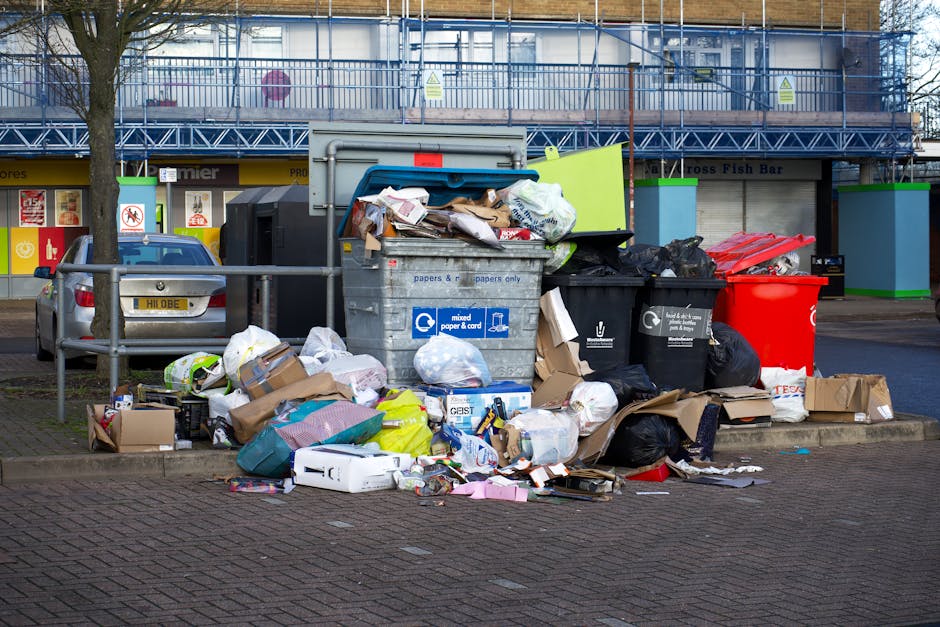
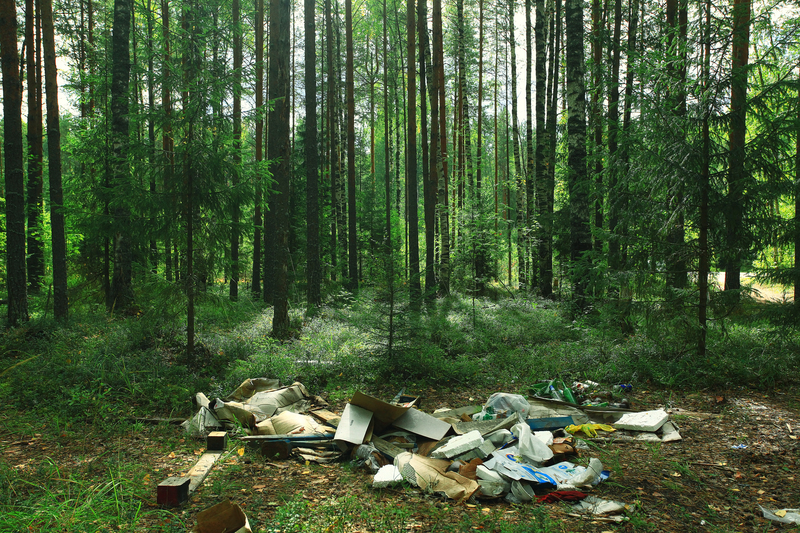
Garden clearance in Southfields should make outdoor spaces easier to use, simpler to maintain and ready for the next stage of work. We clear away general green waste, accumulated cuttings, tangled growth, broken outdoor items and mixed garden clutter with a practical service built around the job in hand. For homes, landlords and local businesses, that can mean restoring order after a season of neglect, opening up a pathway or preparing a plot for planting, repair or redesign.
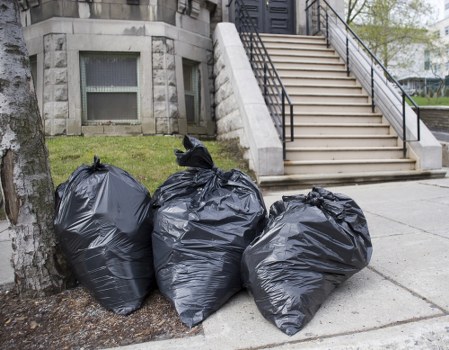
Our service is suited to gardens that need more than a quick tidy. We can remove bagged waste, loose branches, soil-contaminated debris, old pots, damaged fencing components and other non-hazardous outdoor materials that are often left behind after pruning or seasonal work. If you need a clear plan before booking, take a look at our pricing and quotes page for the sort of information that helps shape an accurate request.
Every clearance is different, so the most useful approach is to match the removal method to the site and the materials involved. Some jobs are best handled as a single visit with all items taken away together, while others need a more careful split between greenery, reusable outdoor items and heavier waste. Good preparation matters too: if access is tight, if there are items you want kept aside, or if the site contains mixed materials, it helps to set that out clearly before work begins.
What garden clearance can include
Garden clearance is broader than grass cutting or a one-off tidy. It can include the removal of overgrown plants, hedge trimmings, dead shrubs, mossy debris, leaves, small branches and other organic material that has built up over time. It may also involve lifting old sacks, broken plant containers, rotting timber and garden odds and ends that have become inconvenient to store. The aim is to leave the area ready for the next practical step rather than simply make it look briefly neater.
In many cases, the most effective clearance combines different kinds of outdoor waste in one organised load. That can help when a garden has been used as temporary storage for spent compost bags, cracked ornaments or dismantled items from a small project. If your job includes a wider indoor element as well, our home clearance page is useful for understanding how larger mixed-property removals are usually approached. For external-only work, the focus stays on a clean, workable outdoor area.
Useful garden clearance decisions often come down to what should be removed, what should stay and what needs to be separated before lifting begins. A short checklist can make that easier:
- green waste such as cuttings, leaves and prunings
- heavy or awkward items that need careful carrying
- materials you want kept for reuse, donation or garden storage
- access details for side gates, rear paths or shared spaces
- any items that should not be disturbed because they belong to the property or a neighbour
Dealing with overgrowth, borders and access
Some gardens are straightforward, while others need patient clearance around established beds, patios, sheds and narrow side returns. Where growth has spread into paths or has started to obscure boundaries, a clearance visit needs to be handled carefully so that the useful structure of the garden is not damaged. That is especially relevant when the aim is to retain mature plants, protect edging or keep a section of the garden available while the rest is cleared.
We also clear material from places that are awkward to reach, such as corners behind sheds, narrow runs beside the house and storage areas where outdoor waste has accumulated over time. If the access route is limited, it helps to know in advance whether items can be carried through the property, taken via a side entrance or passed to a collection point at the front. In practical terms, the clearer the access picture, the smoother the clearance tends to be.
Where a garden contains both loose waste and fixed features, the order of work matters. Branches may need separating from mixed rubbish, while soil-heavy loads may be kept apart from lighter trimmings so that removal remains tidy and manageable. That approach supports a better finish and reduces the chance of leaving behind awkward remnants. If you are planning a wider outdoor refresh, garden clearance can sit alongside pruning, rearranging or later landscaping work without turning the site into a longer disruption than necessary.
Garden clearance for seasonal and one-off projects
Seasonal clear-outs often build up because the garden has been used differently through the year. After growth peaks, after storms or after a long period without attention, what looks like a simple tidy can quickly become a larger clearance task. Removing fallen material, collapsed pots and weathered outdoor items can make the space easier to inspect and much more manageable for follow-on work. That is particularly helpful before planting, turf repair or re-establishing paths and borders.
One-off projects can also create mixed waste that does not fit neatly into a standard bin. For example, a small fence repair, a shed sort-out or the replacement of old planters may leave behind timber offcuts, broken fixtures and general outdoor clutter. Our furniture disposal page shows the same kind of practical approach for unwanted items that need to be taken away cleanly and without fuss, although the garden service remains focused on external spaces and outside materials.
Where the garden contains items you still want to keep, separation is best agreed before the clearance starts. It avoids confusion and helps the work progress in a steady order. Keeping reusable items separate can also be useful if you are planning to repaint, clean or rearrange the area later, because it leaves you with a clearer working surface and fewer decisions to make midway through the job.
Green waste, mixed loads and responsible removal

Garden waste is not always a single material stream. A clearance may include cut greenery, damp soil, pots, broken ornaments, light metal pieces and old timber from outdoor structures. Handling that mix properly takes more than just lifting everything into one pile. It means identifying which items can be grouped together and which need to be treated as separate load types so the job stays organised from the start of collection to the point of disposal.
If the clearance follows pruning or basic maintenance, the focus may stay mostly on green waste and light debris. If the garden has been left untouched for longer, there may be additional non-organic items that make the job more complex. In those cases, the best result usually comes from a careful sweep through the site before removal begins. That helps avoid missed waste, protects surfaces and gives a more even finish when the area is handed back clear.
Our recycling and sustainability page sets out how material handling is considered across the business. For garden clearance, the practical benefit is simple: usable separation at the point of removal can support tidier handling and reduce unnecessary mixing. It is still important to remember that the exact treatment depends on what the job contains, so no two clearances should be assumed to need the same method or level of sorting.
Preparing a quotation for your garden clearance
When you request a quotation, the most helpful details are the type of waste, approximate volume, access conditions and whether any items need to be left in place. A photo can be useful if the garden is cluttered or if there is more than one area involved, but it should support your description rather than replace it. A short explanation of what must go, what must stay and how the site is reached usually makes the estimate more accurate.
It also helps to say whether the garden is at ground level, whether items are spread around the whole site or confined to one section, and whether anything is especially heavy, awkward or fragile. If the task is linked to another clearance job, such as a garage sort-out or an indoor declutter, it may be worth considering the wider scope so that the right service is chosen from the outset. For mixed internal jobs, our garage clearance page is a useful comparison point.
Two practical questions tend to make the biggest difference when preparing a quote: how much is there, and how easy is it to reach? Those two facts often change the time, lifting and loading involved more than anything else. If you are ready to get started, use a clear description of the site and ask for a quotation that reflects the exact work rather than a rough assumption.
Garden clearance alongside other removal work
Some customers need garden clearance as part of a broader property clean-up. Outdoor waste can sit alongside shed contents, loft items, furniture or general household clutter, especially where a move, renovation or long-overdue sort-out is taking place. In those cases, it is sensible to decide whether the outside area should be cleared on its own or as part of a wider removal plan, because the best option depends on what is actually present and how it is stored.
We also handle other removal categories that can complement garden work where the contents are distinct. For example, furniture clearance can be relevant where garden spaces have become a holding area for unwanted chairs, tables or stored items that are no longer needed indoors. The main point is to keep garden clearance focused on the external space while recognising that one site often contains more than one type of material.
Where a larger job is being planned, it is useful to think in terms of zones. Outdoor waste, indoor clutter and structural debris may each need a slightly different approach. Splitting the task into those zones can reduce confusion and helps ensure that every load is taken from the right place without unnecessary handling. That clarity matters most when time, access and item type all influence the collection order.
About Southfields
Southfields is a district in the London Borough of Wandsworth, set to the south-west of central London and closely associated with the District line. The area is known for a mix of late Victorian and Edwardian residential streets, with terraces and mansion blocks forming much of its built character. Its street pattern is shaped by the growth of suburban London in the nineteenth and early twentieth centuries, when transport links encouraged denser housing development around what had previously been a more open landscape. Southfields station, on the Underground network, gives the district a recognisable point of arrival, while the surrounding roads connect the area with Wimbledon to the west and Putney to the north-east.
One of Southfields’ best-known features is its proximity to Wimbledon Park and to the wider Wimbledon tennis neighbourhood, which gives the district a strong place in the annual rhythm of south-west London. The locality also has a village-like centre around local shops and services, but its urban fabric is mainly residential and quietly varied rather than monumental. Parks and open spaces nearby provide relief from the surrounding built environment, and the district’s tree-lined streets contribute to a softer streetscape than some other parts of inner London. The name Southfields reflects its historical setting within a wider field pattern, though the modern place is now fully urban. Its architecture, transport access and everyday neighbourhood life together create a character that feels distinctly London while still retaining a more settled residential atmosphere than busier commercial districts.
Households, landlords and small businesses

Garden clearance is useful for a wide range of property types, including family homes, rental properties, managed blocks and smaller business premises with outdoor space. A landlord may need a garden reset between tenancies, while a homeowner may want to recover a patio or rear plot after a period of neglect. Small businesses with yards, side spaces or employee outdoor areas can also benefit when clutter, cuttings or stored materials begin to interfere with everyday use.
Different settings call for different priorities. In a private garden, the aim may be to reopen a safe walking route, expose neglected borders or prepare the site for a future project. In a managed property, the focus may be on keeping outdoor space presentable and reducing the volume of loose waste. For premises with a shared yard or rear access, the key issue is often careful handling so that access remains sensible for everyone involved while the clearance is carried out.
If you are comparing services, it may help to look at broader removal pages such as waste removal when the site contains a wider mix of rubbish beyond the garden itself. That comparison can make it easier to decide whether the task is mainly outdoor clearing, a larger property clear-out or a combination of both. A sensible match between the service and the site usually gives the neatest result.
Planning the work and choosing the right scope
Before a clearance begins, it is worth deciding whether the job should cover the whole garden or only a defined section. Some customers want a complete reset, while others only need a corner, path or storage area cleared first. That decision affects how waste is grouped and how the work is organised on the day. A defined scope also helps avoid uncertainty if there are plants, features or stored items that should remain undisturbed.
If the garden contains structures or heavier material, the scope may need to include dismantled pieces, broken panels or awkward offcuts that cannot simply be lifted as loose green waste. In that situation, it is better to describe the site as accurately as possible and let the quotation reflect the actual mix. Where suitable, our builders waste clearance page may be relevant for mixed hard materials that arise from outdoor repairs or upgrades, although garden waste and construction waste are still treated as different jobs.
Once the scope is clear, the rest of the process is mainly practical. Keep the items that matter, identify any fragile features, and make sure access is straightforward enough for safe removal. If you are unsure whether a particular item belongs in the garden clearance or another service, it is better to ask before the job is booked rather than after the load is already being sorted.
When a fuller property clearance may be better

There are situations where garden clearance is only one part of the work. A property may have an overgrown outside space alongside a garage full of unwanted items, a loft that needs sorting or an internal clear-out after renovation. In those cases, the best solution is not always to force everything into one category, but to plan the work so each area is handled properly. That keeps the process orderly and helps ensure nothing important is overlooked.
For jobs that stretch beyond the garden, our house clearance page may help you judge the likely scale of the wider task. Even then, the outdoor part remains a distinct service with its own practical concerns: weathered materials, damp waste, loose greenery and the need to protect paths, borders and access points during collection. When those factors are understood in advance, the clearance is easier to organise and the end result is usually more useful.
Whether you need a one-off outdoor clearance or a broader property tidy-up, the next step is straightforward: tell us what is there, what should be removed and what access is available. Then request a quotation that reflects the actual work, and choose the scope that best fits the site. Request a quotation when you are ready to talk through the details.